Influencers: Who They Are, Why Brands Need Them, and How to Work with Them

Influencer marketing is no longer something used only by large brands. Today, local cafés, small shops, and beauty salons also work with influencers to reach potential customers more easily. The reason is simple: people tend to trust recommendations from individuals they follow and relate to.
In this article, we will look at who influencers are and what business goals they can help achieve.

SwiftCallback Services
✔ We automate callback requests and connect customers with your team quickly
✔ We help you identify which campaigns generate the most qualified leads
✔ We provide clear analytics and make your sales process more efficient
Who Is an Influencer?
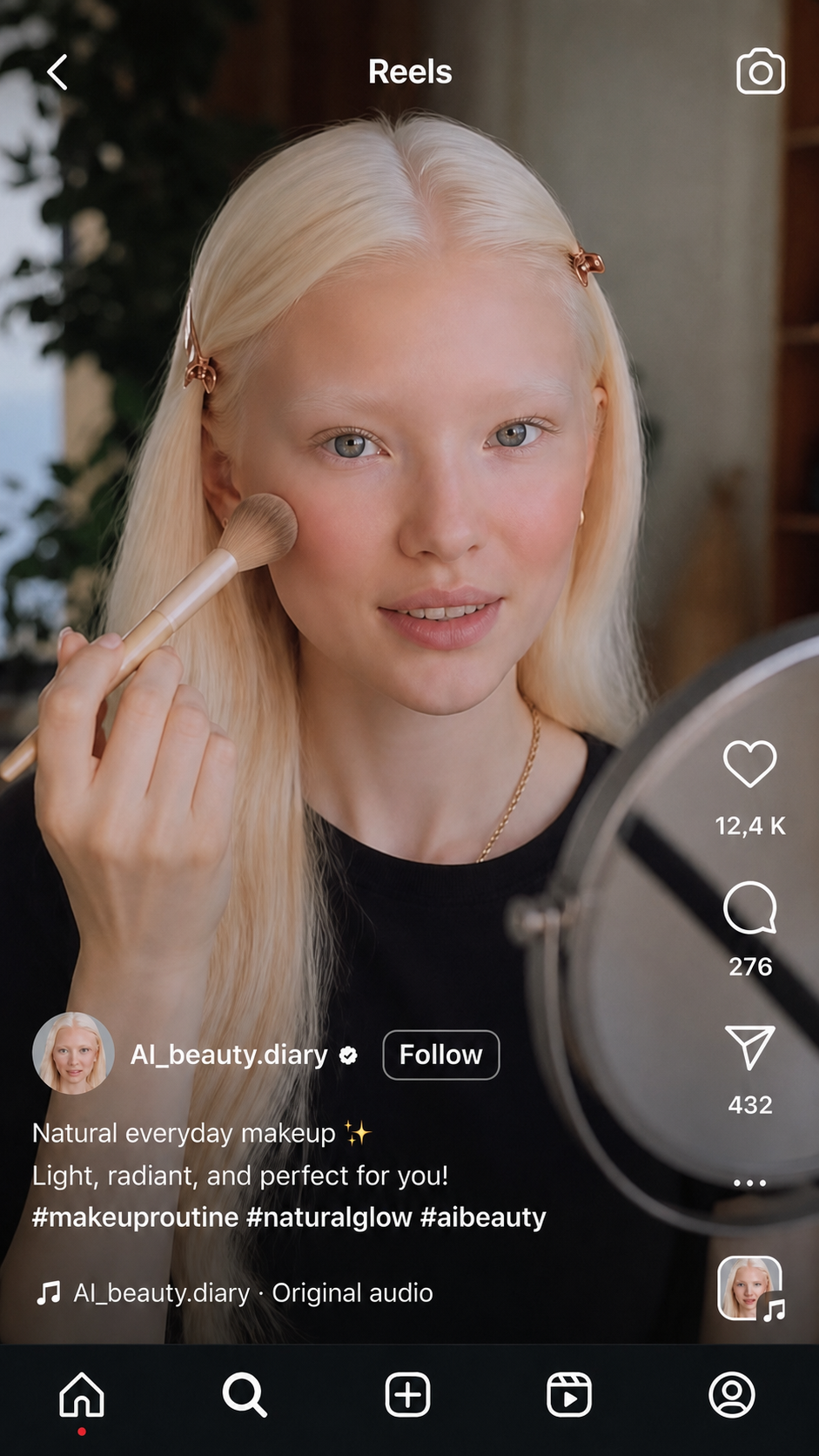
An influencer is someone who has built an active and engaged community around their content. They do not necessarily have to be a celebrity with millions of followers. An influencer can be a specialist in a particular niche — a make-up artist, fitness trainer, entrepreneur, or even a local content creator.
People follow their recommendations because they trust their experience, lifestyle, or opinions. This close relationship with the audience is exactly what makes influencers so valuable to brands.
Types of Influencers
Influencers can be divided into several categories depending on the size of their audience and the type of content they create.
By Number of Followers
- Nano-influencers — up to 10,000 followers. These creators often run personal, friendly blogs where they talk about their daily routine, share thoughts, and recommend things they discover. Their audience usually comes from the same city, profession, or social circle.
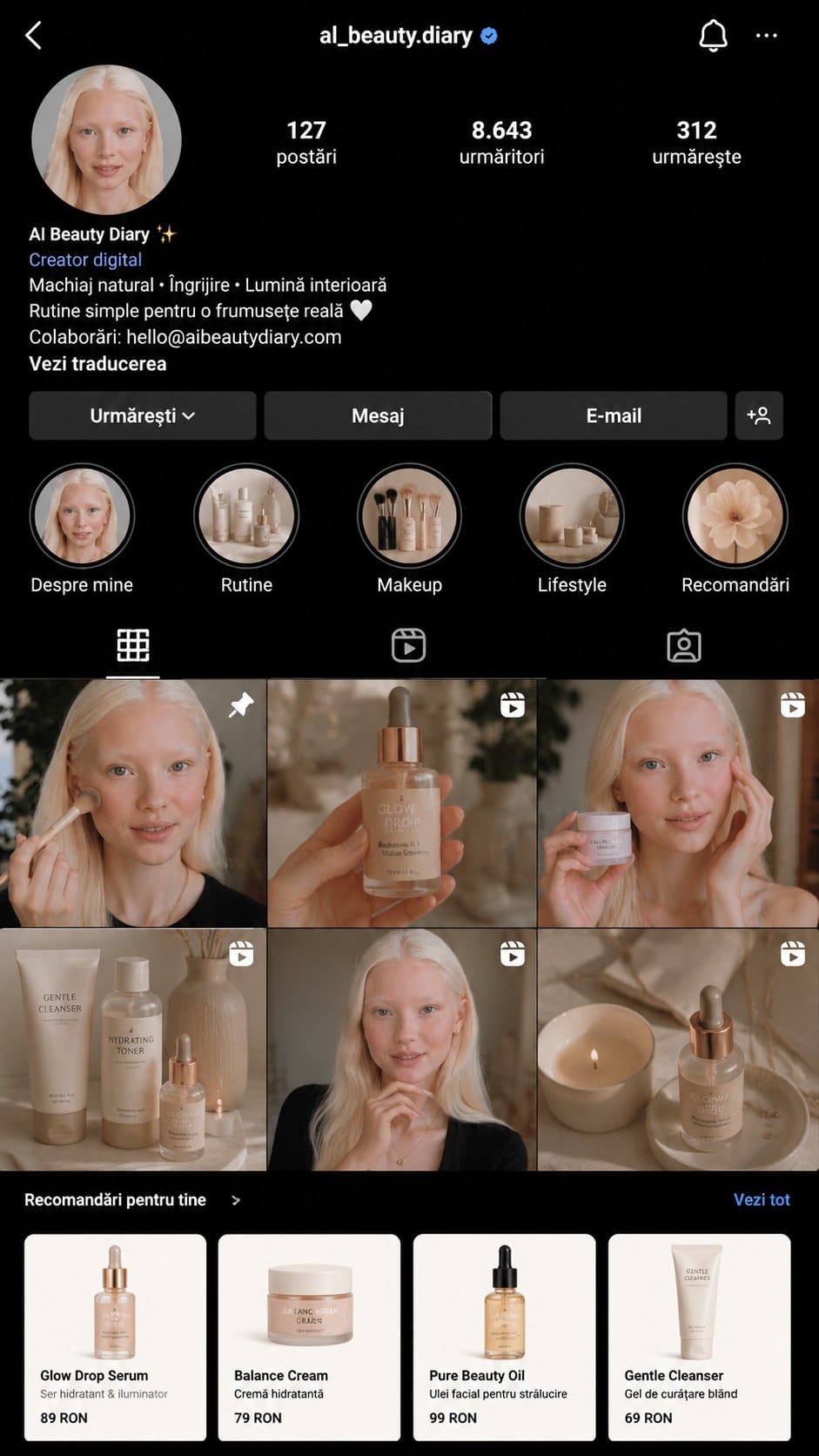
- Micro-influencers — between 10,000 and 100,000 followers. At this stage, creators usually have their own recognisable style. They publish regularly and include advertising, but not too often. They tend to know their niche well, whether it is healthy living, fashion, or psychology. Their advice is often perceived as a personal recommendation rather than part of a marketing campaign.
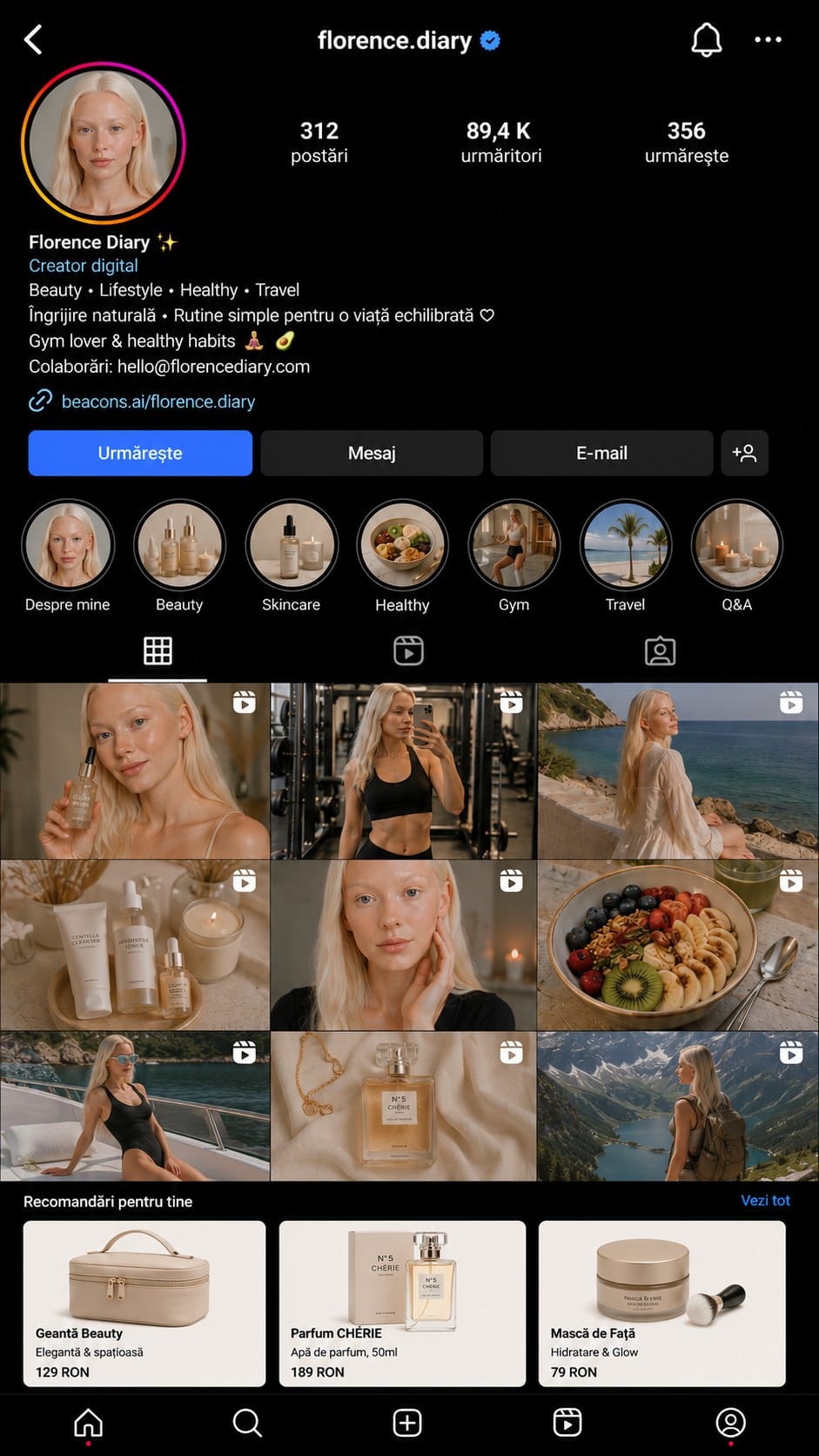
- Mid-tier influencers — between 100,000 and 500,000 followers. For these creators, blogging is often a profession. They may work with an assistant or a team that helps plan, write, or film content. Advertising is usually integrated carefully so they do not lose the trust of their followers. Their audience tends to be engaged: people watch posts, react, and leave comments.
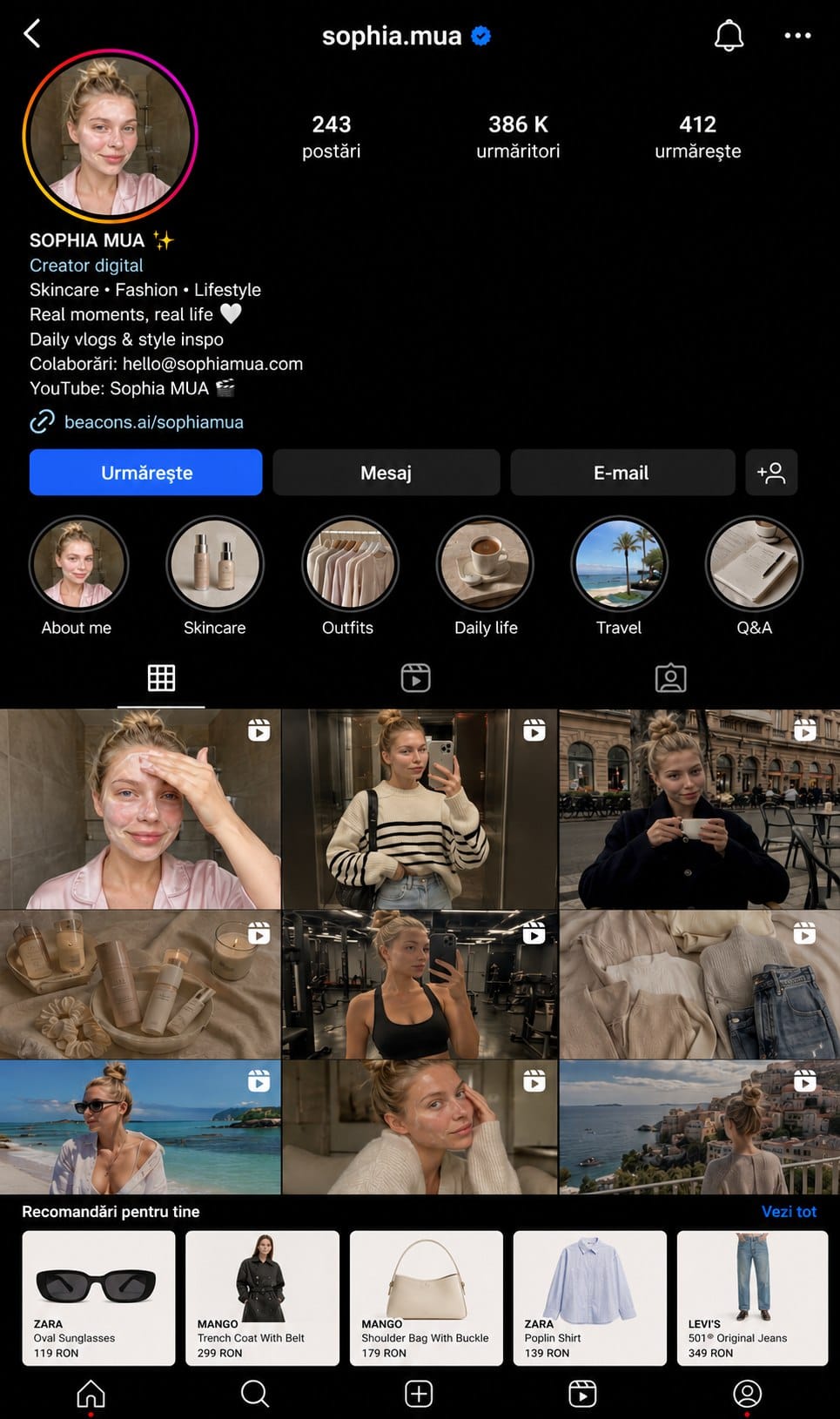
- Macro-influencers and celebrities — more than 500,000 followers. These are public figures such as bloggers, actors, musicians, and TV presenters who are often known beyond their own social media channels. Their content is usually created with the help of a team, including producers, copywriters, photographers, editors, and others. Advertising is more frequent, polished, and large-scale. These influencers are often used for brand awareness and reach, although they usually have less direct interaction with their audience.
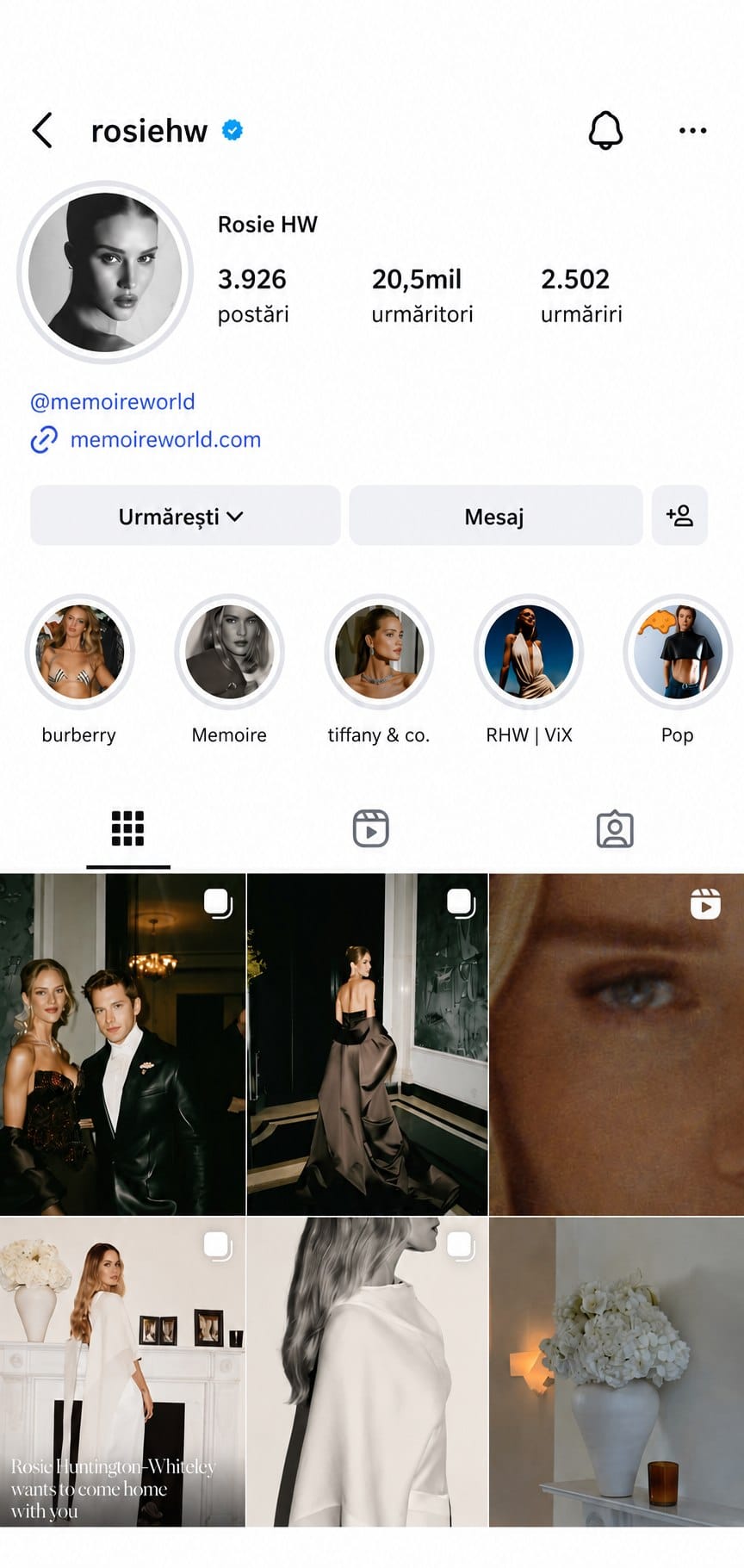
Micro and nano-influencers often deliver very good results because of the close relationship they have with their followers.
By Blog Topic
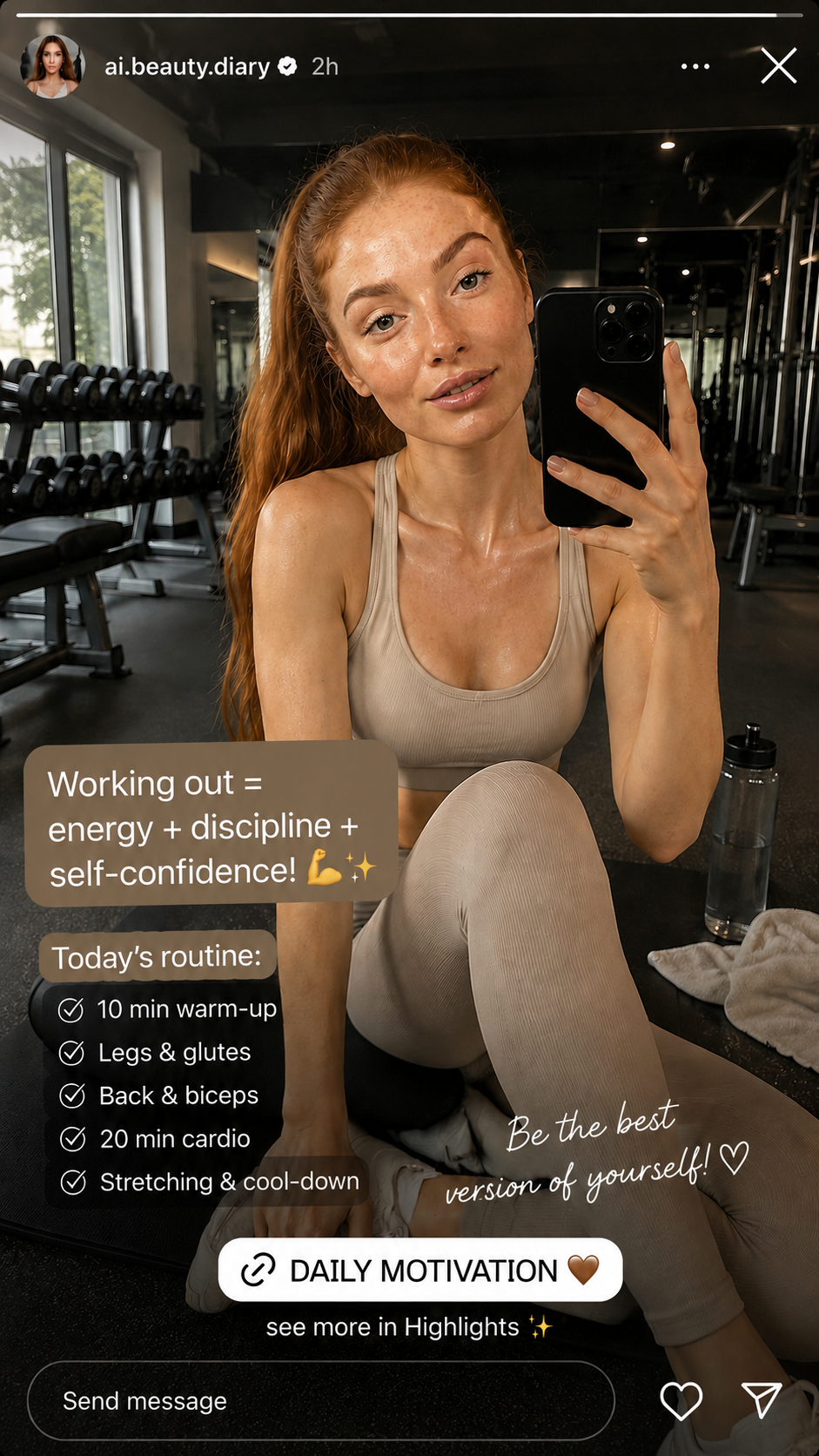
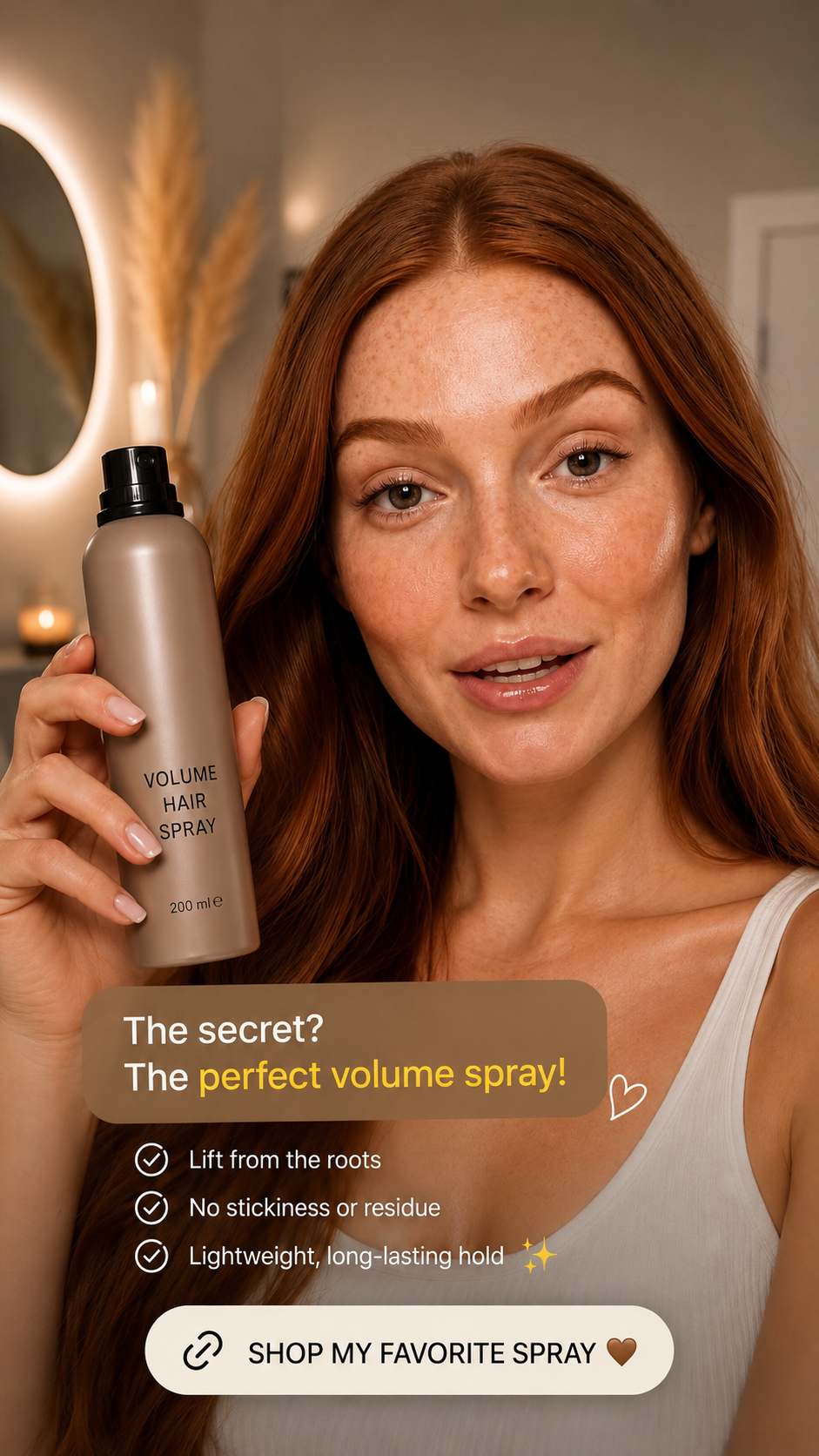
- Beauty: personal care, make-up, cosmetic discoveries, and product reviews.
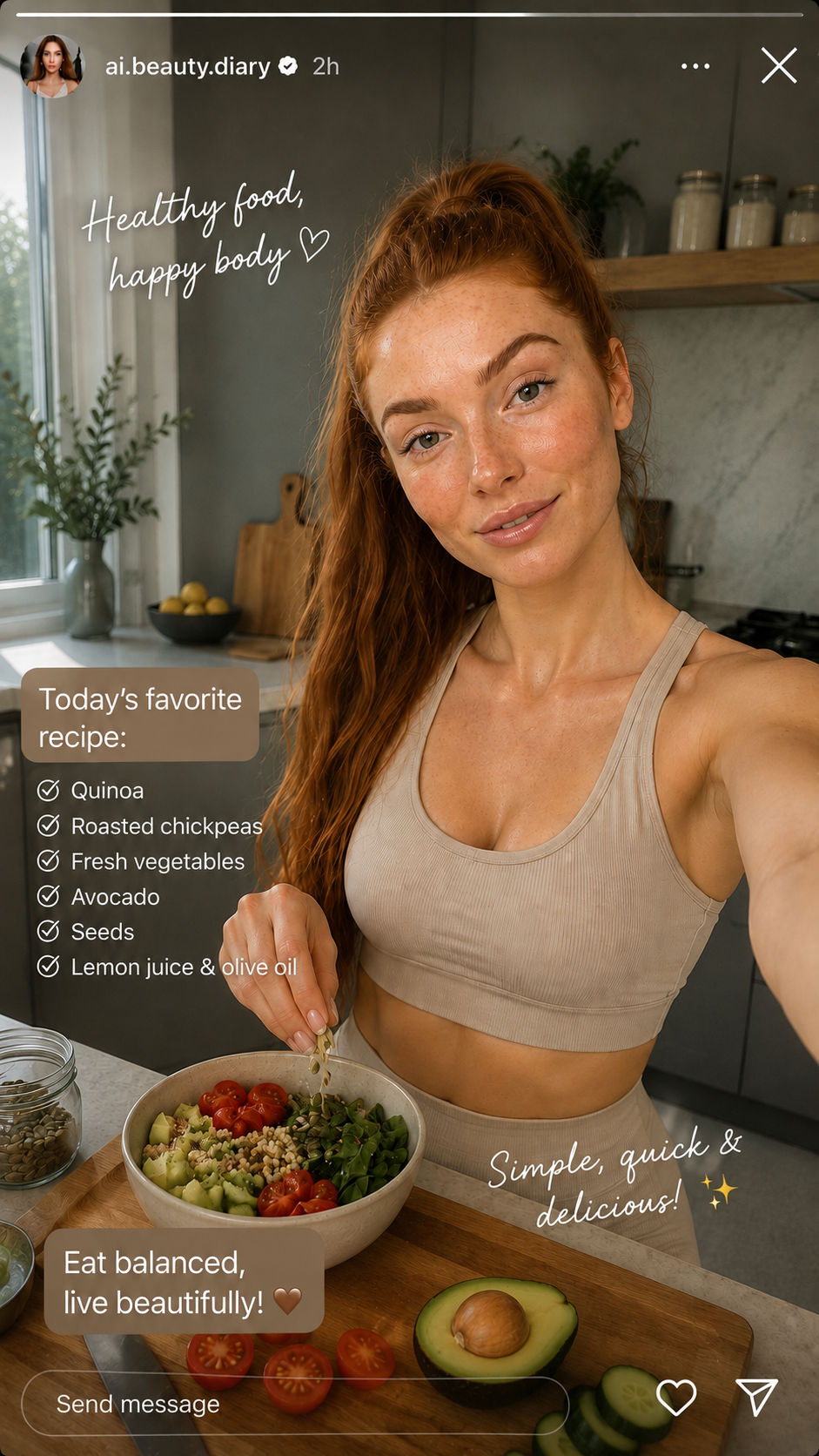
- Fitness and healthy lifestyle: workouts, recovery, nutrition plans, and personal before-and-after experiences.
- Parenting: everyday life with children — from toys and daily routines to nutrition and choosing private schools.
- Education: advice on how to learn more easily and enjoyably, reviews of learning methods, useful tips, and personal stories.
- Psychology and personal development: techniques for managing stress, anxiety, or burnout, as well as books, research, and anonymous client case studies.
- Fashion and style: complete outfit capsules, discoveries from online platforms and physical stores, and analyses of different body or appearance types.
- Food: recipes, supermarket visits, and reviews of food delivery services.
- Automotive: car ownership experiences, test drives, model comparisons, and maintenance.
- Technology and IT: reviews of apps and services, as well as advice on choosing and setting up devices.
By Content Format
Text and visual content creators. They publish posts on Instagram, Telegram, Threads, and other platforms. They focus on both meaning and presentation: explaining complex topics in simple words, sharing observations, and organising everything into attractive, easy-to-follow visual formats.
Example: a marketing specialist analyses common mistakes made when launching advertising campaigns.
Video creators. They produce short videos such as Reels, Shorts, or TikToks. They often appear on camera themselves, explaining something, sharing an opinion, or showing how a product works. Their content captures attention quickly and helps the audience understand the product better.
Example: a make-up artist creates a before-and-after make-up transformation.
Streamers. They broadcast live on platforms such as Twitch, YouTube, or VKontakte. They interact with their audience in real time, play games, answer questions, and discuss news or other topics.
Podcasters. They create audio shows where they discuss popular topics, invite guests, and share experiences. The format is usually slower and conversational, making it suitable for listening while travelling, driving, or walking.
Example: during an episode about freelancing, a designer recommends a useful file storage service.
Stories creators. They share their everyday life in real time through Instagram Stories, VKontakte, Telegram, and similar platforms. Unboxings, trips, breakfast at a café — everything is shown naturally as it happens. This is also where recommendations can be integrated in a very organic way.
Example: a blogger shares that they visited a massage studio and offers followers a promo code for their first appointment.
What Business Goals Can Influencers Help Achieve?
- Attract attention. Influencers help introduce a product to people who might otherwise never hear about it — through a viral video, Stories, or a feed post. Even if users do not buy immediately, they may remember the brand through the influencer's image, presentation, and personality.
- Build trust. If an influencer has a loyal and engaged audience, followers are less likely to perceive recommendations as traditional advertising. They may genuinely think: “If this person uses this toothbrush, it must be good.”
- Create demand. When a brand enters the market or launches a new product, influencers can help generate interest. By showing the product in use, they can make followers think: “That is exactly what I need.”
- Influence sales. An influencer can become an important step in the sales funnel. For example, someone may have been considering buying an electric grill for a long time. Then they see it in the Stories of their favourite blogger and finally decide to make the purchase.
- Collect feedback. Under influencer posts and Stories, followers often share what they liked and what they did not. This gives brands valuable feedback without having to organise separate research or focus groups.
How to Choose an Influencer and What to Look For
To avoid wasting your budget, there are several things you should consider.
- Topic and expertise. A beauty blogger is unlikely to successfully promote programming courses, while an IT influencer may not be the best choice for baby food. Their content should be relevant to your niche.
- Tone of Voice. Every creator has their own communication style, and it is important that it matches your brand voice. For example, a very humorous approach may not be suitable for advertising a serious B2B service.
- Content format. If you need a short, viral video, look for someone who knows how to film and edit video content well. For expert topics, creators who write detailed and informative posts may be a better choice.
- Audience. Analyse the age, geographic location, and interests of the influencer's followers, and compare this information with your own target audience.
- Reach and engagement. A large number of followers is not always an advantage. What matters more is whether people actually view, like, comment on, and save the creator's content.
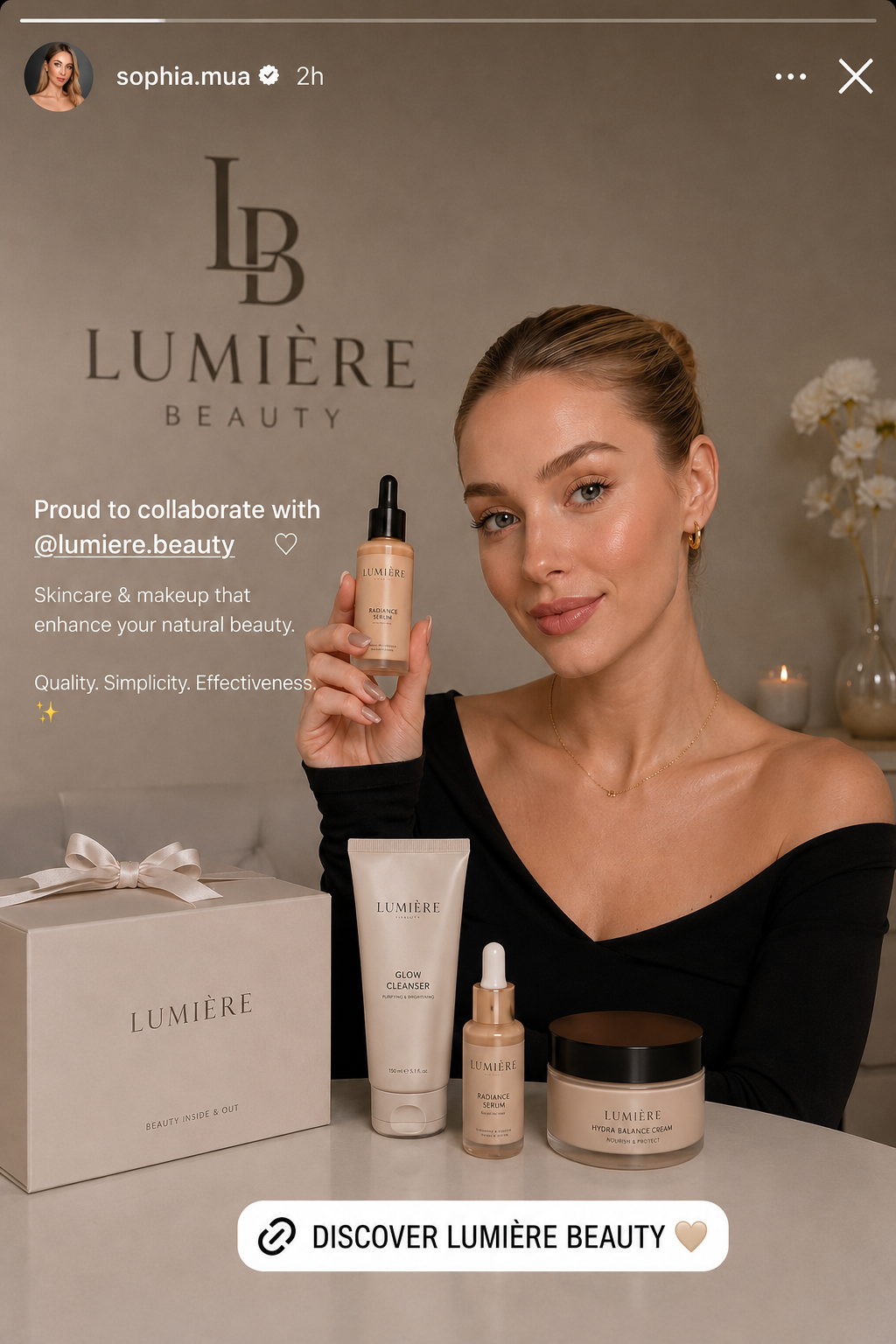
How to Build an Effective Collaboration with an Influencer
Influencer partnerships work best when both sides understand each other clearly. Here is a step-by-step plan for organising the collaboration so that everyone knows what to expect.
Step 1. Define Your Goal
Decide what you want to achieve through the collaboration. For example, your goal may be greater reach so that more people learn about your brand. This will later help you choose the right advertising format and marketing metrics.
Step 2. Choose the Format
Think about what you need: a post, Reel, Stories, or perhaps a combination of formats.
Remember that the format should depend on your goal. For example, if it is important to show the product in action and generate interest, video content is often the best option.
Step 3. Prepare a Brief
A brief is a short and clear description of the task. It should include:
- what the product is, who it is intended for, and what benefits it offers,
- the key message that needs to be communicated,
- mandatory mentions such as the brand name, link, or tag,
- restrictions regarding what should not be said or shown.
Step 4. Agree on All the Details
Discuss:
- when and where the content will be published,
- what the final material should look like and whether approval is required,
- which tags or hashtags should be used,
- how the results will be measured, for example through reach, sales generated with a promo code, or other metrics.
Step 5. Sign an Agreement
Even when working with smaller bloggers, it is more effective to put the agreement in writing.
The document should include at least:
- publication deadlines and deliverables,
- cost and payment terms,
- responsibilities of both parties,
- who is responsible for marking the content as advertising.

Step 6. Analyse the Results
After the campaign is published, collect the data and review the results. Every influencer integration should be analysed. Ask the creator for statistics such as clicks, link visits, and audience feedback. Track how activity on your website or social media channels changes after the campaign.
This will help you understand how effective the collaboration was and how to improve future campaigns.
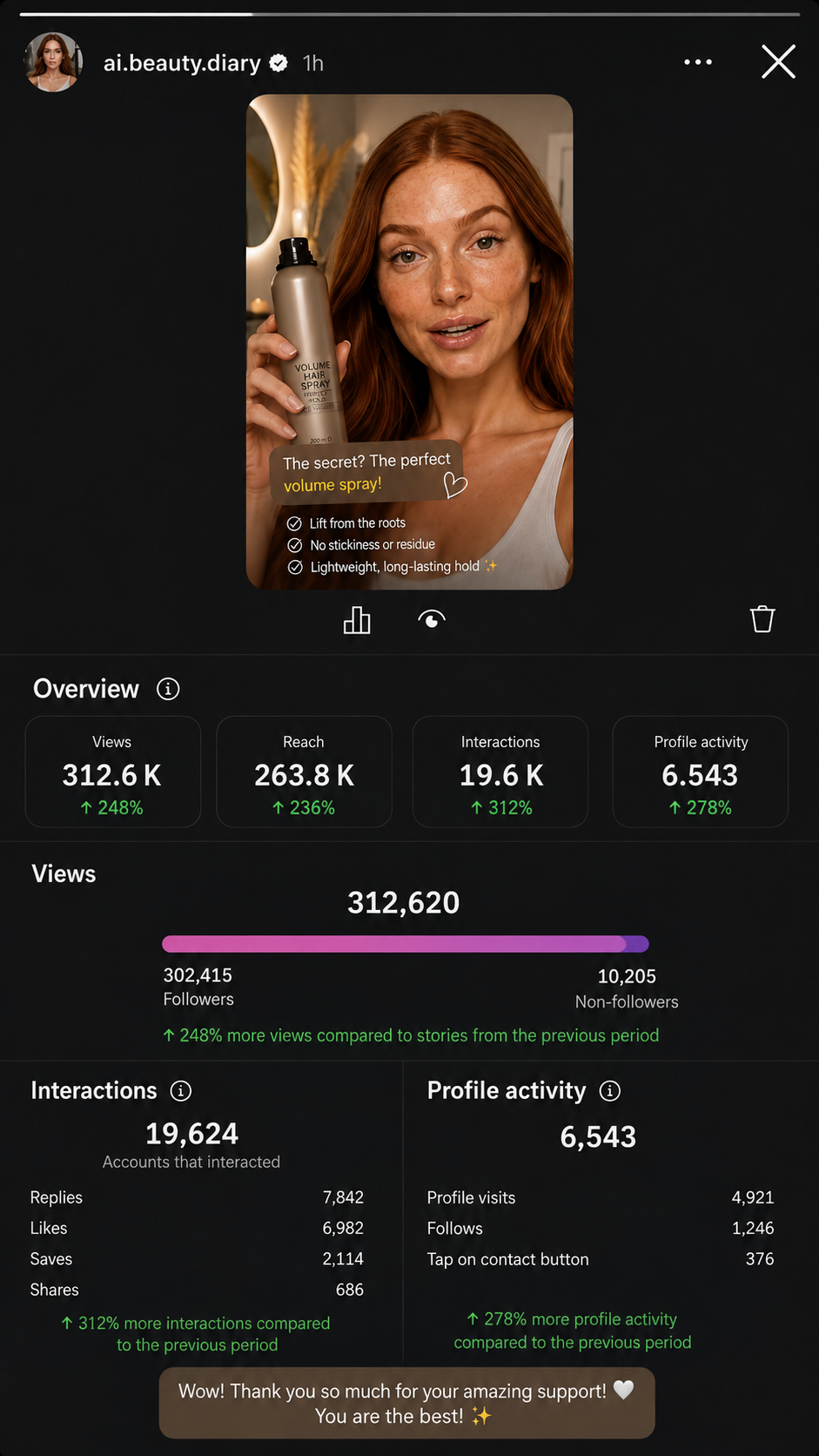
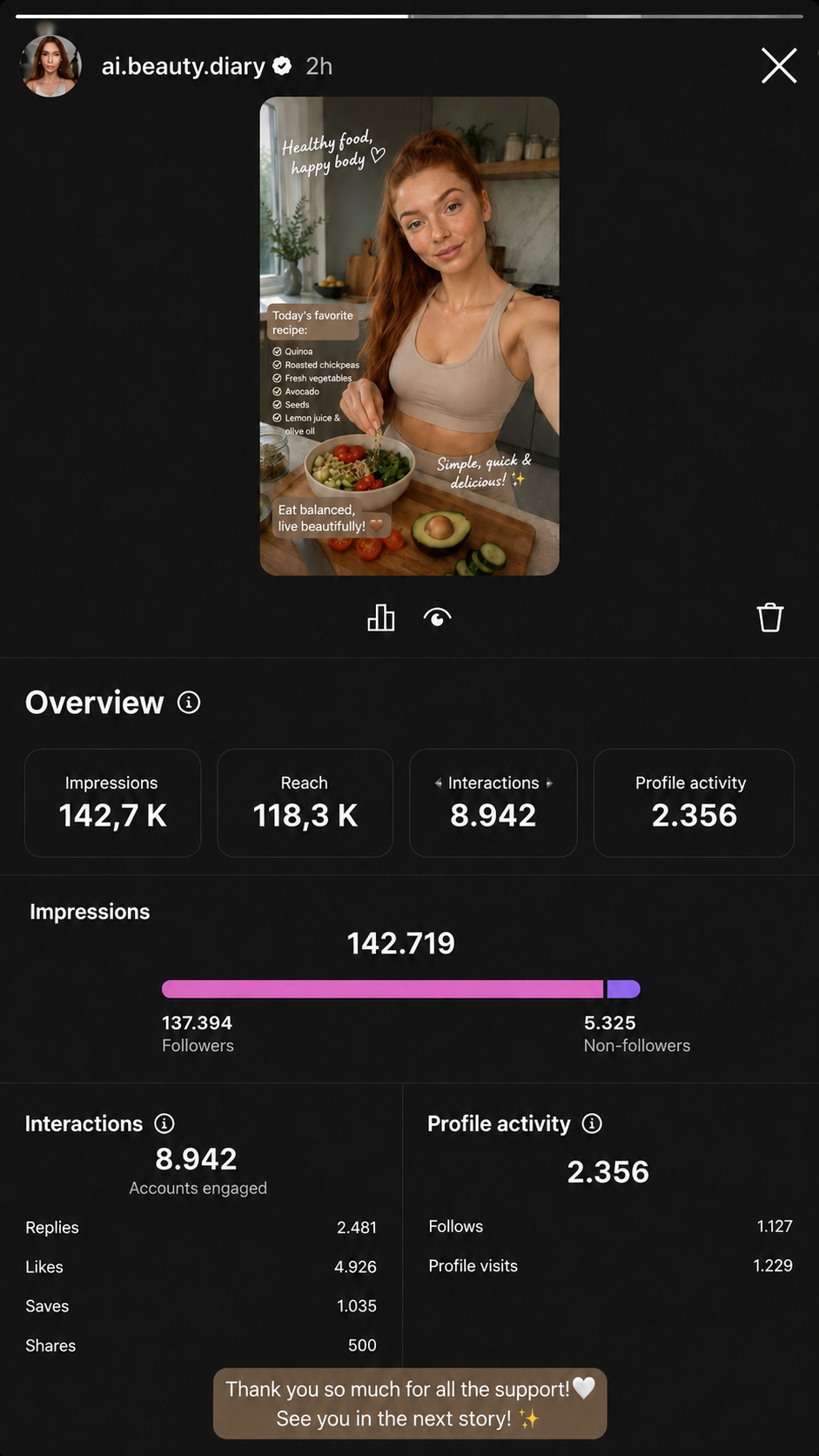
Today, influencers are people whose opinions others pay attention to. Thanks to the trust they have built with their audience, they help brands not only become more visible but also become part of their followers' everyday lives.
Key points to remember:
- Influencers do more than simply “sell.” They also collect feedback, improve brand awareness, and build trust.
- A successful influencer partnership depends on matching the brand's values, topic, audience, and content format.
- The results of influencer advertising are not always immediate. Sometimes, a blog post is simply the first point of contact between a brand and a potential customer.
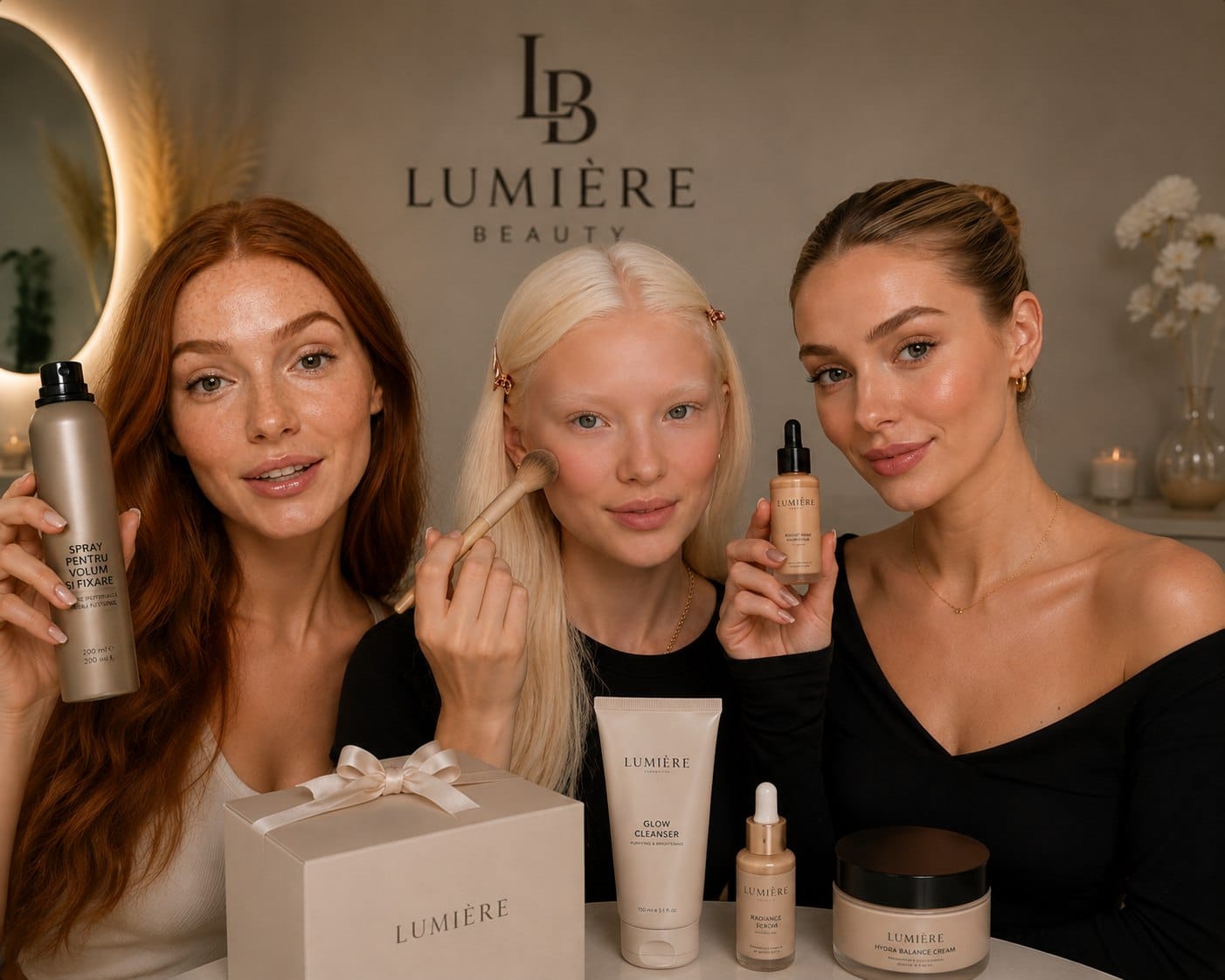
*Visual content notice: Some images and interface mockups used in this article were created with the assistance of AI for illustrative purposes.
Articole similare
- SwiftCallBack in Practice: Recovering Missed Calls, Tracking Leads, and Optimising Campaigns — To make better marketing decisions, it is not enough to know how many users have submitted a form on a website. It is equally important to identify all the channels through which customers contact us, including the…
- What Is a CTA in Marketing: How to Create Calls to Action That Work — Imagine visiting a website, finding the product you want, and deciding to place an order — only to discover there is no “Buy” button. Or maybe there is one, but it is hidden somewhere at the bottom of the page and…
- Viteza site-ului: cum influențează vânzările și cererile de contact — Un vizitator ajunge pe site-ul tău pentru că este interesat de un produs sau de un serviciu. Poate a accesat o reclamă, te-a găsit pe Google sau a primit o recomandare. Înainte să citească oferta și să decidă dacă vrea…